Buy datatube.eu ?
We are moving the project
datatube.eu .
Are you interested in purchasing the domain
datatube.eu ?
domain@kv-gmbh.de · 0541-91531010
Buy datatube.eu ?
Is there a technique that allows a warehouse to function without storage technology, only using transponders and antennas?
Yes, a warehouse can function without traditional storage technology by utilizing a technique called Real-Time Locating Systems (RTLS). RTLS uses transponders (tags) attached to inventory items and antennas placed throughout the warehouse to track the location of items in real-time. This allows for efficient inventory management, improved visibility, and streamlined operations without the need for traditional storage equipment. By leveraging RTLS technology, warehouses can optimize their processes and maximize space utilization without relying on traditional storage methods. **
How much does one earn in the frozen storage warehouse?
The salary for a worker in a frozen storage warehouse can vary depending on factors such as experience, location, and specific job responsibilities. On average, a worker in a frozen storage warehouse can earn anywhere from $12 to $20 per hour. Those in supervisory or management positions may earn higher salaries. Additionally, some workers may receive overtime pay or bonuses for working in challenging conditions. **

Similar search terms for Warehouse
Top-Angebote
Products related to Warehouse:
-
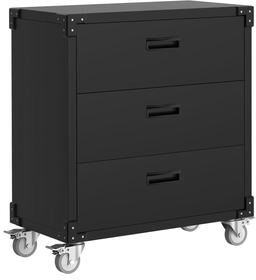
Garvee 3-Drawer Rolling Tool Cabinet, Garage Storage On Wheels for Warehouse, Basement & Workshop"Spacious 3-Drawer Storage – Measures 5.4""H × 31.5""W × 16.5""D. Offers ample space for organizing garage tools, household items, and sundries. Large-capacity drawers keep everything neatly stored and easily accessible in workshops or garages."258,99 $*Shipping: 0,00 $Secure redirect to the provider



-
'Warehouse or Production?'
When deciding between a warehouse or production facility, it is important to consider the specific needs of your business. A warehouse is typically used for storing and distributing finished goods, while a production facility is used for manufacturing products. If your business focuses on storing and distributing goods, a warehouse may be more suitable. However, if your business involves manufacturing products, a production facility would be more appropriate. Ultimately, the decision should be based on the nature of your business operations and requirements. **
-
What are warehouse processes?
Warehouse processes refer to the series of activities and operations involved in the management and movement of goods within a warehouse. These processes include receiving, storing, picking, packing, and shipping of products. Additionally, warehouse processes also involve inventory management, order fulfillment, and maintaining the overall organization and efficiency of the warehouse. These processes are crucial for ensuring the smooth and accurate flow of goods in and out of the warehouse, ultimately contributing to the success of the supply chain and customer satisfaction. **
-
What is warehouse logistics?
Warehouse logistics refers to the management and coordination of the movement, storage, and handling of goods within a warehouse. It involves the planning and organization of inventory, picking and packing of orders, and the optimization of warehouse layout and processes to ensure efficient and smooth operations. Warehouse logistics also includes the use of technology and systems to track and manage inventory, as well as the coordination of transportation and distribution of goods to and from the warehouse. Overall, warehouse logistics plays a crucial role in ensuring the timely and accurate flow of goods through the supply chain. **
-
What is the difference between a database and a data warehouse?
A database is a collection of structured data that is organized and stored for easy access, retrieval, and management. It is typically used for transactional processing and day-to-day operations of an organization. On the other hand, a data warehouse is a centralized repository that stores large volumes of historical data from multiple sources. It is designed for analytical processing and reporting, allowing for complex queries and data analysis. Data warehouses are optimized for read-heavy workloads and are used for decision-making and business intelligence purposes. In summary, while a database is used for transactional processing, a data warehouse is used for analytical processing and reporting. **

What is the training for a specialist warehouse clerk/warehouse logistics specialist?
Training for a specialist warehouse clerk/warehouse logistics specialist typically involves learning about inventory management, order processing, shipping and receiving procedures, and warehouse safety protocols. This training may include courses in supply chain management, logistics, and warehouse operations. Hands-on experience in a warehouse setting, as well as proficiency in using warehouse management software and equipment, are also important components of the training. Additionally, obtaining certifications such as Certified Supply Chain Professional (CSCP) or Certified in Logistics, Transportation and Distribution (CLTD) can enhance one's qualifications in this field. **
What is the difference between a warehouse worker and a warehouse assistant?
A warehouse worker typically performs more physical tasks such as loading and unloading goods, operating machinery, and organizing inventory within a warehouse. On the other hand, a warehouse assistant may have a more administrative role, which could involve tasks like data entry, maintaining records, and assisting with inventory management. While both roles are crucial for the smooth operation of a warehouse, the worker tends to focus more on hands-on tasks, while the assistant may have a broader range of responsibilities that include both physical and administrative duties. **
Top-Angebote
Products related to Warehouse:
-
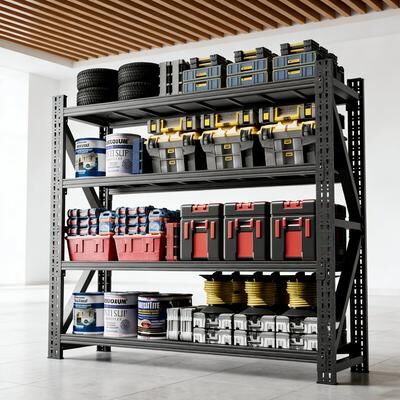
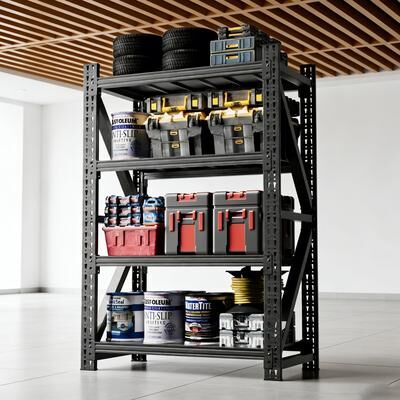
Telepassa Metal Heavy Duty Adjustable Garage Shelves Industrial Storage Unit for Warehouse【Massive Heavy-Duty Construction】: Tackle the heaviest storage challenges with this extra-wide steel storage rack. Formed from heavy-gauge cold-rolled steel with seamless, welded uprights, it delivers extreme stability.351,49 $*Shipping: 0,00 $Secure redirect to the provider
-
Garvee 3-Drawer Rolling Tool Cabinet, Garage Storage On Wheels for Warehouse, Basement & Workshop"Spacious 3-Drawer Storage – Measures 5.4""H × 31.5""W × 16.5""D. Offers ample space for organizing garage tools, household items, and sundries. Large-capacity drawers keep everything neatly stored and easily accessible in workshops or garages."258,99 $*Shipping: 0,00 $Secure redirect to the provider
-
Is there a technique that allows a warehouse to function without storage technology, only using transponders and antennas?
Yes, a warehouse can function without traditional storage technology by utilizing a technique called Real-Time Locating Systems (RTLS). RTLS uses transponders (tags) attached to inventory items and antennas placed throughout the warehouse to track the location of items in real-time. This allows for efficient inventory management, improved visibility, and streamlined operations without the need for traditional storage equipment. By leveraging RTLS technology, warehouses can optimize their processes and maximize space utilization without relying on traditional storage methods. **
-
How much does one earn in the frozen storage warehouse?
The salary for a worker in a frozen storage warehouse can vary depending on factors such as experience, location, and specific job responsibilities. On average, a worker in a frozen storage warehouse can earn anywhere from $12 to $20 per hour. Those in supervisory or management positions may earn higher salaries. Additionally, some workers may receive overtime pay or bonuses for working in challenging conditions. **
-
'Warehouse or Production?'
When deciding between a warehouse or production facility, it is important to consider the specific needs of your business. A warehouse is typically used for storing and distributing finished goods, while a production facility is used for manufacturing products. If your business focuses on storing and distributing goods, a warehouse may be more suitable. However, if your business involves manufacturing products, a production facility would be more appropriate. Ultimately, the decision should be based on the nature of your business operations and requirements. **
-
What are warehouse processes?
Warehouse processes refer to the series of activities and operations involved in the management and movement of goods within a warehouse. These processes include receiving, storing, picking, packing, and shipping of products. Additionally, warehouse processes also involve inventory management, order fulfillment, and maintaining the overall organization and efficiency of the warehouse. These processes are crucial for ensuring the smooth and accurate flow of goods in and out of the warehouse, ultimately contributing to the success of the supply chain and customer satisfaction. **
Similar search terms for Warehouse
-
Telepassa Metal Heavy Duty Adjustable Garage Shelves Industrial Storage Unit for Warehouse【Massive Heavy-Duty Construction】: Tackle the heaviest storage challenges with this extra-wide steel storage rack. Formed from heavy-gauge cold-rolled steel with seamless, welded uprights, it delivers extreme stability.218,49 $*Shipping: 0,00 $Secure redirect to the provider
-
What is warehouse logistics?
Warehouse logistics refers to the management and coordination of the movement, storage, and handling of goods within a warehouse. It involves the planning and organization of inventory, picking and packing of orders, and the optimization of warehouse layout and processes to ensure efficient and smooth operations. Warehouse logistics also includes the use of technology and systems to track and manage inventory, as well as the coordination of transportation and distribution of goods to and from the warehouse. Overall, warehouse logistics plays a crucial role in ensuring the timely and accurate flow of goods through the supply chain. **
-
What is the difference between a database and a data warehouse?
A database is a collection of structured data that is organized and stored for easy access, retrieval, and management. It is typically used for transactional processing and day-to-day operations of an organization. On the other hand, a data warehouse is a centralized repository that stores large volumes of historical data from multiple sources. It is designed for analytical processing and reporting, allowing for complex queries and data analysis. Data warehouses are optimized for read-heavy workloads and are used for decision-making and business intelligence purposes. In summary, while a database is used for transactional processing, a data warehouse is used for analytical processing and reporting. **
-
What is the training for a specialist warehouse clerk/warehouse logistics specialist?
Training for a specialist warehouse clerk/warehouse logistics specialist typically involves learning about inventory management, order processing, shipping and receiving procedures, and warehouse safety protocols. This training may include courses in supply chain management, logistics, and warehouse operations. Hands-on experience in a warehouse setting, as well as proficiency in using warehouse management software and equipment, are also important components of the training. Additionally, obtaining certifications such as Certified Supply Chain Professional (CSCP) or Certified in Logistics, Transportation and Distribution (CLTD) can enhance one's qualifications in this field. **
-
What is the difference between a warehouse worker and a warehouse assistant?
A warehouse worker typically performs more physical tasks such as loading and unloading goods, operating machinery, and organizing inventory within a warehouse. On the other hand, a warehouse assistant may have a more administrative role, which could involve tasks like data entry, maintaining records, and assisting with inventory management. While both roles are crucial for the smooth operation of a warehouse, the worker tends to focus more on hands-on tasks, while the assistant may have a broader range of responsibilities that include both physical and administrative duties. **
* All prices are inclusive of VAT and, if applicable, plus shipping costs. The offer information is based on the details provided by the respective shop and is updated through automated processes. Real-time updates do not occur, so deviations can occur in individual cases. ** Note: Parts of this content were created by AI.