Buy datatube.eu ?
We are moving the project
datatube.eu .
Are you interested in purchasing the domain
datatube.eu ?
domain@kv-gmbh.de · 0541-91531010
Buy datatube.eu ?
Which data storage medium is suitable for long-term data storage?
For long-term data storage, optical discs such as Blu-ray discs and archival-grade DVDs are suitable options. These discs have a longer lifespan compared to traditional CDs and DVDs, and they are less susceptible to degradation from environmental factors. Additionally, solid-state drives (SSDs) with high-quality NAND flash memory can also be used for long-term data storage due to their durability and reliability. It is important to regularly check and migrate data to newer storage mediums to ensure long-term preservation. **
Is a data storage device and a storage medium the same thing?
No, a data storage device and a storage medium are not the same thing. A data storage device refers to the physical hardware used to store and retrieve data, such as a hard drive, solid-state drive, or USB flash drive. On the other hand, a storage medium refers to the physical material on which the data is stored, such as a magnetic disk, optical disc, or semiconductor memory. In other words, the storage medium is the physical material that holds the data, while the data storage device is the hardware that allows access to that data. **


Similar search terms for Household-Essentials-Serveware-Storage
Top-Angebote
Products related to Household-Essentials-Serveware-Storage:
-
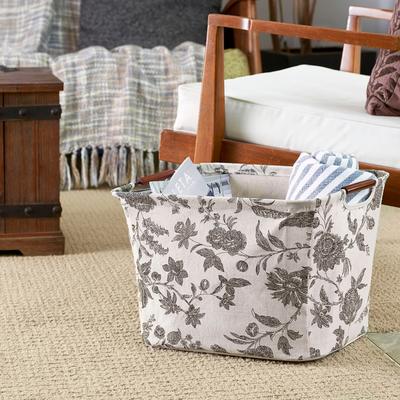
Household Essentials Underbed Storage BagAdd the Under Bed Storage Bag to any bedroom for a smart and stylish storage solution. Crafted from soft synthetic fabric with a clear PEVA top, this bag protects clothing and linens from dust while allowing quick visibility of contents.30,99 $*Shipping: 0,00 $Secure redirect to the provider



-
How does a data storage work?
Data storage works by storing digital information in a physical or virtual medium, such as a hard drive, solid-state drive, or cloud storage. When data is stored, it is organized and indexed so that it can be easily accessed and retrieved when needed. The data is typically stored in binary code, represented by 0s and 1s, and can be written, read, and modified as necessary. Different storage mediums have different capacities and speeds, allowing for various types of data to be stored and accessed efficiently. **
-
What are two data storage devices?
Two data storage devices are hard disk drives (HDD) and solid-state drives (SSD). HDDs use spinning disks to store data and are commonly found in desktop computers and laptops. SSDs, on the other hand, use flash memory to store data and are known for their faster read and write speeds, making them popular in high-performance computers and servers. Both devices are used to store and retrieve digital information, but they differ in their technology and performance. **
-
What are local data storage devices?
Local data storage devices are physical hardware devices that are used to store and retrieve digital data on a local level. These devices include hard disk drives (HDD), solid-state drives (SSD), USB flash drives, memory cards, and optical discs such as CDs and DVDs. Local data storage devices are used to store files, documents, photos, videos, and other digital content, and they provide a convenient and accessible way to store and access data without relying on an internet connection. These devices are commonly used in personal computers, laptops, and other electronic devices for storing and accessing data locally. **
-
How much electricity do night storage heaters consume in a household with two people?
The electricity consumption of night storage heaters in a household with two people can vary depending on the size and number of heaters, as well as the outside temperature and insulation of the home. On average, a night storage heater can consume around 2-3 kWh of electricity per hour of operation. If the heaters are used for 8 hours a day, this would result in a daily consumption of 16-24 kWh. However, it's important to note that these are rough estimates and actual consumption can vary. **

What is the difference between primary storage, secondary storage, and tertiary storage?
Primary storage, also known as main memory, is the internal memory of a computer that is directly accessible by the CPU. It is used to store data and instructions that are currently being processed by the CPU. Secondary storage, on the other hand, refers to external storage devices such as hard drives, solid-state drives, and optical discs, which are used to store data for long-term use. Tertiary storage is a type of storage that is used for archival purposes and is typically slower and less accessible than primary and secondary storage. Examples of tertiary storage include magnetic tape and optical jukeboxes. **
How do you format data storage devices?
Data storage devices can be formatted using the built-in formatting tools provided by the operating system. This can typically be done by accessing the device through the Disk Management utility on Windows or the Disk Utility on macOS. When formatting a storage device, you can choose the file system (such as NTFS, exFAT, or HFS+) and allocation unit size. It's important to note that formatting a storage device will erase all data on it, so be sure to back up any important information before proceeding. **
Top-Angebote
Products related to Household-Essentials-Serveware-Storage:
-
Household Essentials Underbed Storage BagAdd the Under Bed Storage Bag to any bedroom for a smart and stylish storage solution. Crafted from soft synthetic fabric with a clear PEVA top, this bag protects clothing and linens from dust while allowing quick visibility of contents.30,99 $*Shipping: 0,00 $Secure redirect to the provider
-
Which data storage medium is suitable for long-term data storage?
For long-term data storage, optical discs such as Blu-ray discs and archival-grade DVDs are suitable options. These discs have a longer lifespan compared to traditional CDs and DVDs, and they are less susceptible to degradation from environmental factors. Additionally, solid-state drives (SSDs) with high-quality NAND flash memory can also be used for long-term data storage due to their durability and reliability. It is important to regularly check and migrate data to newer storage mediums to ensure long-term preservation. **
-
Is a data storage device and a storage medium the same thing?
No, a data storage device and a storage medium are not the same thing. A data storage device refers to the physical hardware used to store and retrieve data, such as a hard drive, solid-state drive, or USB flash drive. On the other hand, a storage medium refers to the physical material on which the data is stored, such as a magnetic disk, optical disc, or semiconductor memory. In other words, the storage medium is the physical material that holds the data, while the data storage device is the hardware that allows access to that data. **
-
How does a data storage work?
Data storage works by storing digital information in a physical or virtual medium, such as a hard drive, solid-state drive, or cloud storage. When data is stored, it is organized and indexed so that it can be easily accessed and retrieved when needed. The data is typically stored in binary code, represented by 0s and 1s, and can be written, read, and modified as necessary. Different storage mediums have different capacities and speeds, allowing for various types of data to be stored and accessed efficiently. **
-
What are two data storage devices?
Two data storage devices are hard disk drives (HDD) and solid-state drives (SSD). HDDs use spinning disks to store data and are commonly found in desktop computers and laptops. SSDs, on the other hand, use flash memory to store data and are known for their faster read and write speeds, making them popular in high-performance computers and servers. Both devices are used to store and retrieve digital information, but they differ in their technology and performance. **
Similar search terms for Household-Essentials-Serveware-Storage
-
What are local data storage devices?
Local data storage devices are physical hardware devices that are used to store and retrieve digital data on a local level. These devices include hard disk drives (HDD), solid-state drives (SSD), USB flash drives, memory cards, and optical discs such as CDs and DVDs. Local data storage devices are used to store files, documents, photos, videos, and other digital content, and they provide a convenient and accessible way to store and access data without relying on an internet connection. These devices are commonly used in personal computers, laptops, and other electronic devices for storing and accessing data locally. **
-
How much electricity do night storage heaters consume in a household with two people?
The electricity consumption of night storage heaters in a household with two people can vary depending on the size and number of heaters, as well as the outside temperature and insulation of the home. On average, a night storage heater can consume around 2-3 kWh of electricity per hour of operation. If the heaters are used for 8 hours a day, this would result in a daily consumption of 16-24 kWh. However, it's important to note that these are rough estimates and actual consumption can vary. **
-
What is the difference between primary storage, secondary storage, and tertiary storage?
Primary storage, also known as main memory, is the internal memory of a computer that is directly accessible by the CPU. It is used to store data and instructions that are currently being processed by the CPU. Secondary storage, on the other hand, refers to external storage devices such as hard drives, solid-state drives, and optical discs, which are used to store data for long-term use. Tertiary storage is a type of storage that is used for archival purposes and is typically slower and less accessible than primary and secondary storage. Examples of tertiary storage include magnetic tape and optical jukeboxes. **
-
How do you format data storage devices?
Data storage devices can be formatted using the built-in formatting tools provided by the operating system. This can typically be done by accessing the device through the Disk Management utility on Windows or the Disk Utility on macOS. When formatting a storage device, you can choose the file system (such as NTFS, exFAT, or HFS+) and allocation unit size. It's important to note that formatting a storage device will erase all data on it, so be sure to back up any important information before proceeding. **
* All prices are inclusive of VAT and, if applicable, plus shipping costs. The offer information is based on the details provided by the respective shop and is updated through automated processes. Real-time updates do not occur, so deviations can occur in individual cases. ** Note: Parts of this content were created by AI.