Buy datatube.eu ?
We are moving the project
datatube.eu .
Are you interested in purchasing the domain
datatube.eu ?
domain@kv-gmbh.de · 0541-91531010
Buy datatube.eu ?
Is a cathode ray tube not a Braun tube?
Yes, a cathode ray tube is a type of vacuum tube that produces images when an electron beam strikes a phosphorescent surface. A Braun tube, on the other hand, is a specific type of cathode ray tube that was developed by the German physicist Ferdinand Braun. Therefore, all Braun tubes are cathode ray tubes, but not all cathode ray tubes are Braun tubes. **
What happened to the cathode ray tube?
The cathode ray tube (CRT) was once the standard display technology for televisions and computer monitors. However, with the advancement of technology, the CRT has been largely replaced by newer display technologies such as liquid crystal displays (LCDs) and light-emitting diodes (LEDs). These newer technologies offer advantages such as thinner profiles, lighter weight, and lower power consumption, leading to the decline in the use of CRTs. As a result, CRTs are now considered outdated and are no longer widely manufactured or used in modern display devices. **


Similar search terms for NextWall-Ray-Geo-Peel
Top-Angebote
Products related to NextWall-Ray-Geo-Peel:
-
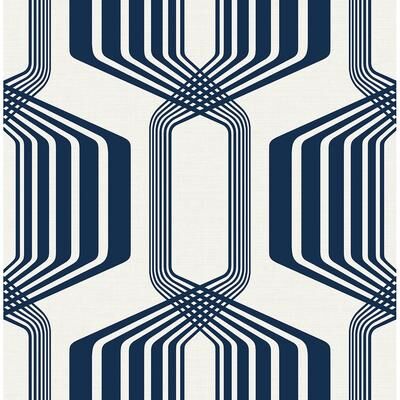
NextWall Forcella Geo Peel and Stick WallpaperMake your space your own with this Forcella Geo premium peel and stick wallpaper pattern by NextWall. Juxtaposed in size and finish, the two sweeping lines have a dynamic effect that can be repeated around as many walls as needed.49,99 $*Shipping: 0,00 $Secure redirect to the provider
-
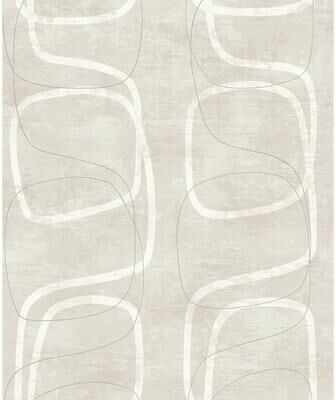
NextWall Swirl Geo Peel and Stick WallpaperBalanced by a soft color palette, this Swirl Geo premium peel and stick wallpaper pattern by NextWall will round your walls with subtle geometry. Flowing together effortlessly, the dynamic design will captivate in a range of interior settings.49,99 $*Shipping: 0,00 $Secure redirect to the provider

-
How does a cathode ray tube work?
A cathode ray tube (CRT) works by using a heated cathode to emit a stream of electrons. These electrons are then accelerated and focused by an anode, forming a narrow beam. The beam is then directed onto a phosphorescent screen, which emits light when struck by the electrons. By controlling the intensity and position of the electron beam, the CRT can create images on the screen. This technology was commonly used in older television and computer monitors. **
-
Will my cathode ray tube television explode?
No, your cathode ray tube television is not likely to explode. While it is possible for any electronic device to malfunction and potentially cause a fire or explosion, the likelihood of this happening with a cathode ray tube television is extremely low. However, it is always a good idea to properly maintain and monitor your electronic devices to ensure their safety. **
-
Why do cathode ray tube televisions whistle?
Cathode ray tube (CRT) televisions can whistle due to a phenomenon called "coil whine." This occurs when the electrical currents passing through the components of the TV, such as the transformer or the deflection yoke, cause them to vibrate at a frequency that is audible as a high-pitched whistle. This can be particularly noticeable when the TV is displaying bright images, as the increased electrical activity can exacerbate the whistling sound. While it may be annoying, coil whine is generally harmless and does not affect the functionality of the TV. **
-
What is the X-ray radiation of the cathode ray tube of the television?
The X-ray radiation of the cathode ray tube in a television is a byproduct of the high voltage used to accelerate the electrons towards the screen. This high voltage can cause the electrons to collide with the glass of the tube, producing X-rays. While modern televisions have largely moved away from cathode ray tubes due to advancements in display technology, older CRT TVs emitted small amounts of X-ray radiation, which is why it was recommended to maintain a safe viewing distance. **


How does a cathode ray tube television work?
A cathode ray tube television works by using an electron gun to shoot a beam of electrons towards a phosphor-coated screen. The electrons hit the phosphor, causing it to emit light and create the images we see on the screen. The beam of electrons is controlled by electromagnets, which scan across the screen line by line to create a complete image. The colors are produced by different phosphors that emit red, green, and blue light when struck by electrons. **
How can a cathode ray tube be reused?
A cathode ray tube (CRT) can be reused by repurposing it for other electronic devices or by recycling its components. The glass from the CRT can be recycled and used in the manufacturing of new glass products. The copper and other metals from the CRT can also be extracted and reused in the production of new electronic devices. Additionally, the plastic and other materials from the CRT can be recycled and used in the manufacturing of new products. Overall, reusing and recycling the components of a cathode ray tube can help reduce electronic waste and conserve valuable resources. **
Top-Angebote
Products related to NextWall-Ray-Geo-Peel:
-
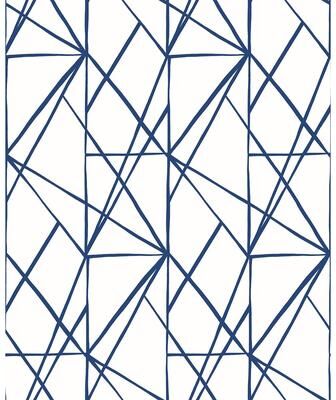
NextWall Ray Geo Peel and Stick WallpaperFreshen the look of your interior space with this Ray Geo peel and stick wallpaper from NextWall! The raised ink design will bring a clean, modern feeling and layer of dimension to your next room makeover project.39,99 $*Shipping: 0,00 $Secure redirect to the provider
-
NextWall Forcella Geo Peel and Stick WallpaperMake your space your own with this Forcella Geo premium peel and stick wallpaper pattern by NextWall. Juxtaposed in size and finish, the two sweeping lines have a dynamic effect that can be repeated around as many walls as needed.49,99 $*Shipping: 0,00 $Secure redirect to the provider
-
Is a cathode ray tube not a Braun tube?
Yes, a cathode ray tube is a type of vacuum tube that produces images when an electron beam strikes a phosphorescent surface. A Braun tube, on the other hand, is a specific type of cathode ray tube that was developed by the German physicist Ferdinand Braun. Therefore, all Braun tubes are cathode ray tubes, but not all cathode ray tubes are Braun tubes. **
-
What happened to the cathode ray tube?
The cathode ray tube (CRT) was once the standard display technology for televisions and computer monitors. However, with the advancement of technology, the CRT has been largely replaced by newer display technologies such as liquid crystal displays (LCDs) and light-emitting diodes (LEDs). These newer technologies offer advantages such as thinner profiles, lighter weight, and lower power consumption, leading to the decline in the use of CRTs. As a result, CRTs are now considered outdated and are no longer widely manufactured or used in modern display devices. **
-
How does a cathode ray tube work?
A cathode ray tube (CRT) works by using a heated cathode to emit a stream of electrons. These electrons are then accelerated and focused by an anode, forming a narrow beam. The beam is then directed onto a phosphorescent screen, which emits light when struck by the electrons. By controlling the intensity and position of the electron beam, the CRT can create images on the screen. This technology was commonly used in older television and computer monitors. **
-
Will my cathode ray tube television explode?
No, your cathode ray tube television is not likely to explode. While it is possible for any electronic device to malfunction and potentially cause a fire or explosion, the likelihood of this happening with a cathode ray tube television is extremely low. However, it is always a good idea to properly maintain and monitor your electronic devices to ensure their safety. **
Similar search terms for NextWall-Ray-Geo-Peel
-
NextWall Swirl Geo Peel and Stick WallpaperBalanced by a soft color palette, this Swirl Geo premium peel and stick wallpaper pattern by NextWall will round your walls with subtle geometry. Flowing together effortlessly, the dynamic design will captivate in a range of interior settings.49,99 $*Shipping: 0,00 $Secure redirect to the provider
-
NextWall Ray Geo Peel and Stick WallpaperFreshen the look of your interior space with this Ray Geo peel and stick wallpaper from NextWall! The raised ink design will bring a clean, modern feeling and layer of dimension to your next room makeover project.39,99 $*Shipping: 0,00 $Secure redirect to the provider
-
Why do cathode ray tube televisions whistle?
Cathode ray tube (CRT) televisions can whistle due to a phenomenon called "coil whine." This occurs when the electrical currents passing through the components of the TV, such as the transformer or the deflection yoke, cause them to vibrate at a frequency that is audible as a high-pitched whistle. This can be particularly noticeable when the TV is displaying bright images, as the increased electrical activity can exacerbate the whistling sound. While it may be annoying, coil whine is generally harmless and does not affect the functionality of the TV. **
-
What is the X-ray radiation of the cathode ray tube of the television?
The X-ray radiation of the cathode ray tube in a television is a byproduct of the high voltage used to accelerate the electrons towards the screen. This high voltage can cause the electrons to collide with the glass of the tube, producing X-rays. While modern televisions have largely moved away from cathode ray tubes due to advancements in display technology, older CRT TVs emitted small amounts of X-ray radiation, which is why it was recommended to maintain a safe viewing distance. **
-
How does a cathode ray tube television work?
A cathode ray tube television works by using an electron gun to shoot a beam of electrons towards a phosphor-coated screen. The electrons hit the phosphor, causing it to emit light and create the images we see on the screen. The beam of electrons is controlled by electromagnets, which scan across the screen line by line to create a complete image. The colors are produced by different phosphors that emit red, green, and blue light when struck by electrons. **
-
How can a cathode ray tube be reused?
A cathode ray tube (CRT) can be reused by repurposing it for other electronic devices or by recycling its components. The glass from the CRT can be recycled and used in the manufacturing of new glass products. The copper and other metals from the CRT can also be extracted and reused in the production of new electronic devices. Additionally, the plastic and other materials from the CRT can be recycled and used in the manufacturing of new products. Overall, reusing and recycling the components of a cathode ray tube can help reduce electronic waste and conserve valuable resources. **
* All prices are inclusive of VAT and, if applicable, plus shipping costs. The offer information is based on the details provided by the respective shop and is updated through automated processes. Real-time updates do not occur, so deviations can occur in individual cases. ** Note: Parts of this content were created by AI.